Ficus Bonsai Care Guide: Retusa, Microcarpa & More
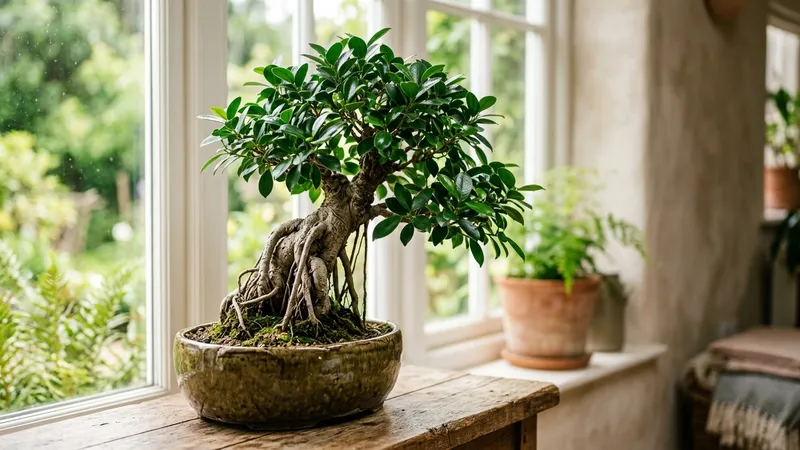
Ficus Bonsai Overview: Species and Varieties
Ficus is one of the largest genera in the plant kingdom, with over 800 species, and several make outstanding bonsai. The most popular varieties for bonsai are Ficus retusa (also sold as Ficus microcarpa or "ginseng ficus"), Ficus benjamina, and Ficus religiosa. Ficus retusa is by far the most common, prized for its glossy dark-green leaves, thick aerial roots, and a naturally bulbous trunk base that gives it an aged appearance even when young.
What makes Ficus especially appealing for bonsai growers is its resilience. Unlike many traditional bonsai species that demand outdoor conditions and strict seasonal cycles, most Ficus thrive indoors year-round in warm climates. They tolerate lower light, inconsistent watering, and occasional neglect far better than junipers or maples. This forgiving nature makes Ficus the number one recommendation for anyone starting their bonsai journey.
Light and Temperature Requirements
Ficus bonsai need abundant indirect light. Place yours near a bright window that receives at least four to six hours of natural light per day. South-facing or west-facing windows are ideal in the Northern Hemisphere. If natural light is limited, a full-spectrum LED grow light placed 15 to 30 cm above the canopy for 10 to 12 hours daily will keep your Ficus healthy and compact. Insufficient light causes leggy growth and larger-than-normal leaves.
Temperature is straightforward: keep your Ficus above 15 degrees Celsius at all times. They are tropical trees and will drop leaves rapidly if exposed to cold drafts or temperatures below 10 degrees Celsius. In summer, you can move your Ficus outdoors to a semi-shaded spot once night temperatures are consistently above 15 degrees Celsius, but bring it inside well before autumn frosts. Avoid placing it near air conditioning vents or radiators, as sudden temperature swings stress the tree.
Watering and Humidity for Ficus
Water your Ficus bonsai when the top centimetre of soil feels dry to the touch. Insert your finger or a wooden chopstick into the substrate: if it comes out slightly damp, wait a day. When you do water, soak the soil thoroughly until water drains from the bottom holes, then let the pot drain completely. Ficus prefer consistent moisture but absolutely cannot sit in standing water, as this leads to root rot. In summer you may water every one to two days; in winter, once every three to five days is typical.
Humidity is often overlooked but matters for indoor Ficus. Central heating and air conditioning dry out indoor air, which can cause leaf edges to brown and new growth to stall. Place a humidity tray filled with pebbles and water beneath the pot, mist the leaves every morning, or group your bonsai with other houseplants to create a micro-humid environment. Aim for 40 to 60 percent relative humidity around the tree for best results.
Pruning, Shaping, and Common Problems
Ficus respond extremely well to pruning and are among the most rewarding species to shape. For maintenance pruning, allow shoots to grow six to eight leaves, then trim back to two or three. This encourages dense branching and smaller leaf size over time. Major structural pruning is best done in late spring when the tree is growing vigorously and heals wounds quickly. Ficus produce white latex sap when cut, which is normal but can irritate skin, so wash your hands after pruning. For wiring, use anodised aluminium wire and check weekly, as Ficus branches thicken fast and wire can bite into the bark within weeks.
The most common Ficus problem is sudden leaf drop, usually triggered by a change in location, light, or temperature. If your Ficus loses leaves after being moved, keep it in its new spot, maintain consistent watering, and new leaves will emerge within two to four weeks. Pests to watch for include spider mites, scale insects, and mealybugs. Inspect the undersides of leaves regularly. Treat infestations early by wiping leaves with a damp cloth dipped in mild soapy water, or use neem oil spray every five to seven days until the problem clears. Healthy Ficus are naturally pest-resistant, so good light and watering habits are your best defence.
Bonsai Pilot tracks all of this for you automatically. Start tracking your bonsai care for free →